
glass wall panels exterior
Understanding Single Pipe Clamps Features, Applications, and Benefits In the world of construction, plumbing, and HVAC (heating, ventilation, and air conditioning), pipe clamps play a crucial role in ensuring the stability and functionality of piping systems. Among various types of pipe clamps, the single pipe clamp stands out for its simplicity and versatility. This article delves into the characteristics, applications, and advantages of single pipe clamps, shedding light on why they are a staple in various industries. Features of Single Pipe Clamps A single pipe clamp typically consists of a metal clamp bracket and a fastener that secures around a single pipe. Usually made from durable materials like steel, stainless steel, or even plastic, these clamps come in different sizes to accommodate a wide range of pipe diameters. The design enables straightforward installation, as the clamp can easily be tightened around the pipe to hold it in place. Many single pipe clamps also feature rubber or plastic linings to provide additional cushioning, preventing damage to the pipe and reducing vibration and noise. Applications of Single Pipe Clamps Single pipe clamps find extensive use across various sectors 1. Plumbing In residential and commercial plumbing, single pipe clamps are instrumental in securing water supply, waste, and vent pipes. They keep pipes stable, preventing movement that could lead to leaks or damage. 2. HVAC Systems In air conditioning and heating systems, single pipe clamps support refrigerant lines and ducting, ensuring that they remain fixed in place and operate efficiently without excessive vibration. 3. Industrial Settings In factories and refineries, single pipe clamps are employed for managing pipelines carrying fluids or gases. They help maintain the organization and safety of complex piping layouts, minimizing the risk of pipeline failures. 4. Construction During construction projects, single pipe clamps are essential for temporarily or permanently securing pipes to walls, ceilings, or other structural components, ensuring smooth project progress . single pipe clamp Benefits of Using Single Pipe Clamps The advantages of single pipe clamps are numerous, making them a preferred choice in multiple applications 1. Simplicity and Ease of Use The design and installation process of single pipe clamps are straightforward. This simplicity allows for faster installation times, which can significantly benefit project timelines and labor costs. 2. Cost-Effectiveness With their easy installation and versatile applications, single pipe clamps offer a cost-effective solution for securing pipes. Their durability means fewer replacements and repairs, leading to long-term savings. 3. Adjustable and Reusable Many single pipe clamps are adjustable, allowing for fine-tuning based on specific requirements. Additionally, they can often be reused, further enhancing their cost-effectiveness and environmental sustainability. 4. Vibration Absorption The inclusion of rubber linings in many single pipe clamps helps to absorb vibrations, protecting the pipes from damage and reducing noise levels in surrounding areas. 5. Wide Availability Given their popularity and practicality, single pipe clamps are widely available in various hardware stores and online platforms, making them easily accessible for both professionals and DIY enthusiasts. Conclusion Single pipe clamps are an indispensable tool in various industries, offering a practical solution to the challenge of securing pipelines. Their simple design, cost-effectiveness, and versatility make them ideal for use in plumbing, HVAC, industrial applications, and construction. By understanding the features, applications, and benefits of single pipe clamps, professionals and DIYers alike can make informed decisions that enhance the safety and efficiency of their piping systems. Whether you are working on a major construction project or a simple home improvement task, single pipe clamps are a reliable choice that can help ensure success.
about
glass wall panels exterior
Understanding Full Flow Check Valves Function, Design, and Applications Full flow check valves are essential components in various fluid systems, designed to prevent backflow while allowing the unrestricted passage of fluids. These valves play a pivotal role in ensuring system efficiency and protecting equipment from potential damage due to backflow. This article delves into the function, design, and applications of full flow check valves, highlighting their importance in industrial, commercial, and residential settings. What is a Full Flow Check Valve? A full flow check valve is a type of one-way valve that permits fluid to flow in one direction while preventing it from flowing back. Unlike standard check valves that may restrict flow due to their design, full flow check valves are engineered to minimize restrictions, enabling fluids to flow freely through the valve. This feature is particularly crucial in applications where maintaining pressure and flow rate is vital. Function and Operation The primary function of a full flow check valve is to prevent backflow, which can occur when there is a drop in pressure in the system or when the pump is turned off. The valve operates based on differential pressure; as fluid flows in the designated direction, it pushes against a disc or flap within the valve, which opens to allow flow. When there is a reversal of flow, the pressure drops, causing the disc to close and seal off the passage. This mechanism effectively protects the upstream system from contamination and damage, making it a critical element in many hydraulic and pneumatic systems. Design Features The design of full flow check valves is crucial to their functionality. Common materials used in their construction include stainless steel, brass, PVC, and various other alloys, chosen for their resistance to corrosion and wear. The valve's body typically features a streamlined design to promote full flow capabilities, ensuring minimal turbulence and pressure loss. Various types of designs are available for full flow check valves, including 1. Swing Check Valves These valves have a hinged disc that swings open and closed, providing a simple yet effective solution for backflow prevention. 2. Lift Check Valves These feature a disc that lifts off the seat as fluid flows, allowing for a full flow without significant restriction. full flow check valve 3. Ball Check Valves Utilizing a ball that moves up and down, these valves provide a robust solution for preventing backflow in high-pressure systems. Each design offers specific advantages based on the application, fluid type, and environmental conditions. Applications Full flow check valves are widely used across various industries due to their reliability and efficiency. Some common applications include - Water and Wastewater Treatment They protect pump systems from backflow, ensuring a continuous and safe flow of treated water. - Chemical Processing In chemical plants, full flow check valves prevent backflow and contamination, enhancing operational safety. - HVAC Systems These valves are used in heating and cooling systems to maintain proper flow and pressure. - Fire Protection Systems They prevent backflow in water supply lines, ensuring that fire suppression systems operate effectively. - Food and Beverage Industry Here, full flow check valves help maintain product integrity by preventing cross-contamination in processing lines. Conclusion Full flow check valves are indispensable components in fluid systems, combining functionality with efficiency. Their ability to prevent backflow while allowing unrestricted fluid flow positions them as a critical element across various industries. As technology advances, the construction materials and designs of these valves are likely to evolve, enhancing their performance and expanding their applications. Understanding their function, design, and applications not only aids in selecting the right valve for specific needs but also underscores the critical role these valves play in ensuring the safety and efficiency of fluid systems. As industries continue to innovate and prioritize system integrity, full flow check valves are set to remain at the forefront of fluid control technology.
-

High quality industrial productsagement

High quality industrial products
View Details -

Meet the diverse needs of customers

Meet the diverse needs of customers
View Details -

Strict quality control

Strict quality control
View Details -

Top raw materials

Top raw materials
View Details -

Trusted supplier

Trusted supplier
View Details
Our application

news and information
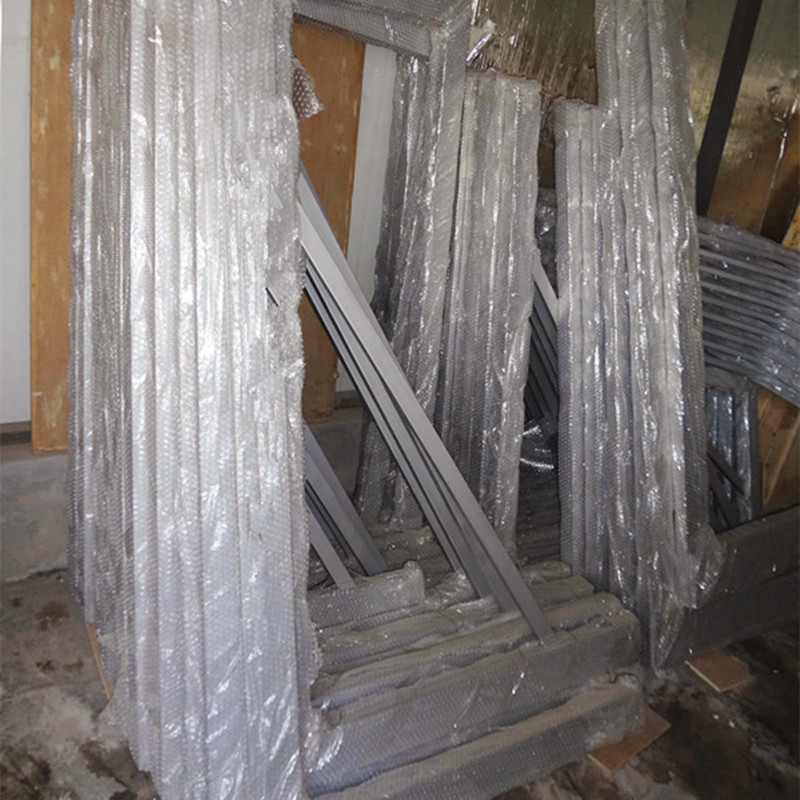
Versatile 4x4 Welding Table for Precision Metal Fabrication and Joinery Projects
The Versatility of a 4x4 Welding Table Welding is an essential fabrication process that requires pre

Versatile and Durable Metal Angle Brackets for Adjustable Applications in Home and Industrial Projec
The Versatility and Utility of Adjustable Metal Angle Brackets In the world of construction and DIY
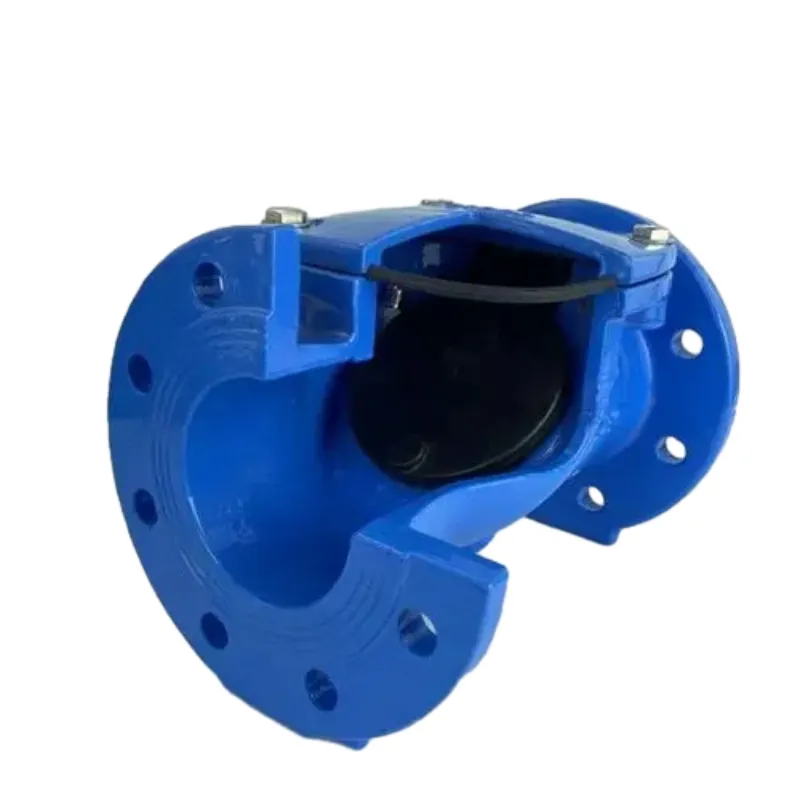
Valve tipleri
Valf Tipleri Endüstriyel Uygulamaların Temel Taşı Valfler, endüstriyel sistemlerin vazgeçilmez parça
 English